ISO 9001:2015, ISO 14001:2015 and ISO 45001:2018 certified Company


Security Begins Before the Vehicle Crosses the Checkpoint.
Integrated road monitoring, vehicle-control and screening technologies for government, transport and high-security environments.
High-security entrances and transport environments manage vehicle identification, traffic movement, vehicle inspection, pedestrian screening, cargo and baggage inspection and communication between security personnel, all at the same time. No single device can address the entire checkpoint. We combine relevant road, vehicle-control and screening technologies into a layered checkpoint-security environment.
Layered Security from Approach Lane to Controlled Entry.
Recognise relevant vehicles and movement.
Support examination of vehicles, people, baggage or cargo.
Manage access through the checkpoint.
Maintain communication between responsible personnel.
The Ecosystem
Multiple security layers. One controlled entry environment.


Identify → Inspect → Verify → Control → Communicate
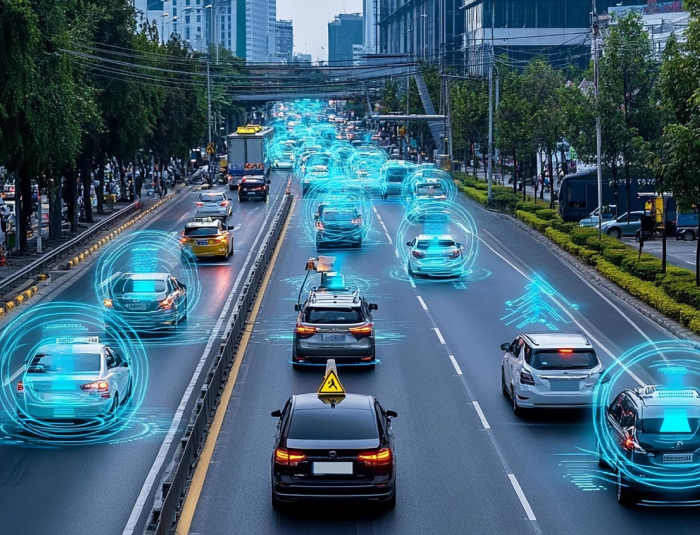
ANPR & Road Monitoring
Road and checkpoint security begins with better visibility of approaching vehicles.
Number-plate identification within relevant vehicle-monitoring applications.
Speed-monitoring applications where deployed by authorised users.
Management and observation of road or checkpoint movement.
Observe and direct vehicle movement through approach lanes.
Designed to support
Better Security Begins with Better Awareness of the Approach.
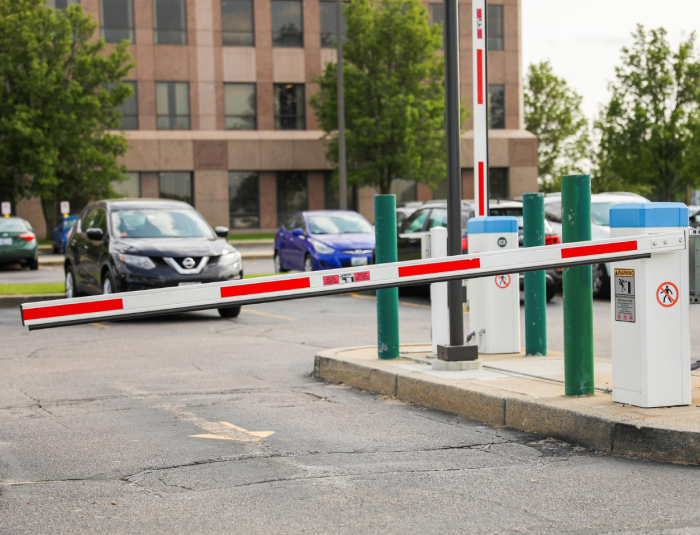
Vehicle Entry & Under-Vehicle Inspection
Once a vehicle reaches a controlled checkpoint, physical access technologies and under-vehicle inspection add further entry management within professionally engineered installations.
Routine controlled vehicle entry and exit.
Additional vehicle-control measures within appropriately designed high-security applications.
A portable vehicle-control option for authorised security applications.
Security inspection beneath vehicles at designated checkpoints.
Suitable applications
Control the Lane. Control the Entry. See What Conventional Inspection Can Miss.
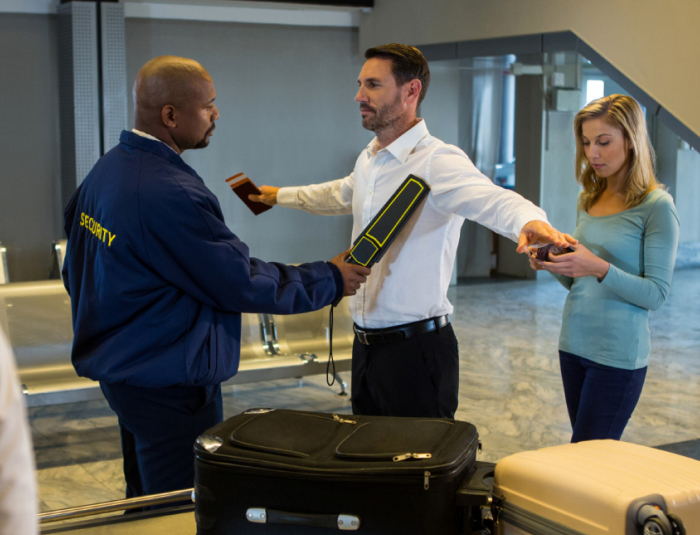
Cargo, Baggage & Personnel Screening
High-security environments may also require inspection of baggage, cargo and people entering a controlled facility.
Inspection applications for designated cargo movements.
Screening of baggage and carried items at controlled checkpoints.
Door-frame metal detection for personnel screening at controlled access points.
Hand-held metal detection for authorised secondary or directed screening.
Application areas
Security Should Consider What Enters, Not Only Who Enters.
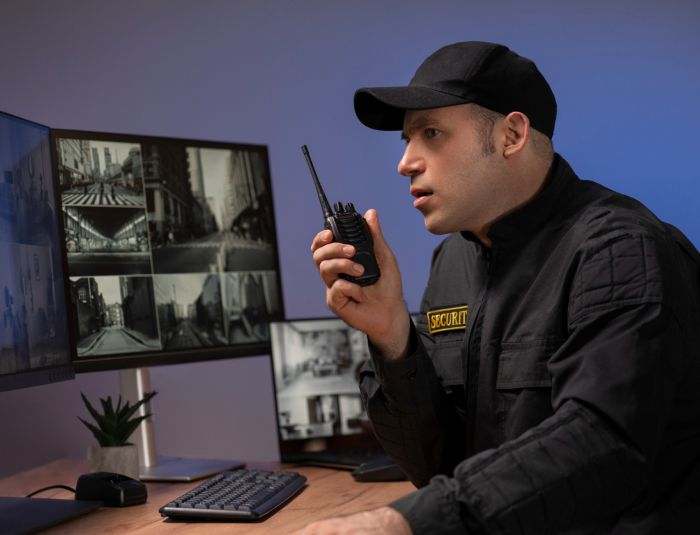
Security Communication
Direct communication connects screening with coordinated security operations.
Direct communication between checkpoint and security personnel.
Coordination between lanes, gates and security teams.
Connection between screening points and supervisors.
Support for security response when required.
Personnel flow
Screening Works Better When Security Teams Stay Connected.
Where It Fits
One security architecture. Multiple checkpoint applications.
Road monitoring and authorised checkpoint-security applications.
Vehicle movement, identification and traffic-management applications.
Controlled vehicle, baggage and personnel-screening environments.
Layered vehicle and checkpoint-security requirements.
Controlled vehicle and pedestrian entry.
High-security access applications, subject to project requirements and applicable authority.
Vehicle inspection and controlled facility access.
Road, vehicle, baggage and security-monitoring requirements.
Different Checkpoints. One Layered Security Philosophy.
Key Outcomes
Physical and monitoring layers for controlled vehicle entry.
Improved awareness across designated road and approach environments.
Structured vehicle, baggage, cargo and personnel screening.
Stronger vehicle-access control at designated entrances.
Monitoring technologies for authorised road-management applications.
Inspection capabilities added to controlled facilities.
Better-managed and more secure checkpoint environments.
Monitor the Approach. Verify the Entry. Strengthen the Checkpoint.
How We Deliver
Final system configuration, screening workflow and security controls are determined through project assessment and applicable client and authority requirements.
Understand checkpoint type, movement patterns and security objectives.
Review approach roads, entry lanes, pedestrian areas and inspection zones.
Define the required monitoring, inspection and access-control layers.
Coordinate power, network and physical-system requirements.
Install the approved security technologies.
Validate relevant system operation.
Support authorised security and facility personnel.
One Checkpoint. Multiple Security Layers. One Integrated Plan.
100+
Projects Completed
8+
Years of Experience
50+
Satisfied Clients
15+
Industries Served
Also explore

Bring vehicle identification, inspection, physical access control, screening, traffic management and communication into one coordinated checkpoint environment.